Showing posts with label cartoonist. Show all posts

Thursday, 3 July 2008

Hayao Miyazaki

你问我,什么是你最爱的动画片?
答案无二:龙猫!!!!!!!!!!!!!

老实交代,我是真的超级超级超级喜欢龙猫!
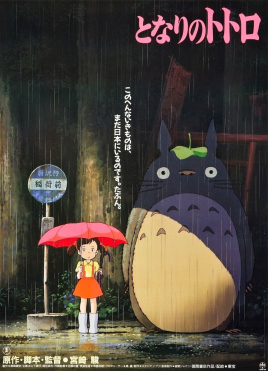


龙猫只是众多宮崎駿作品中的一支
他的动画,我是一样不差的全看过

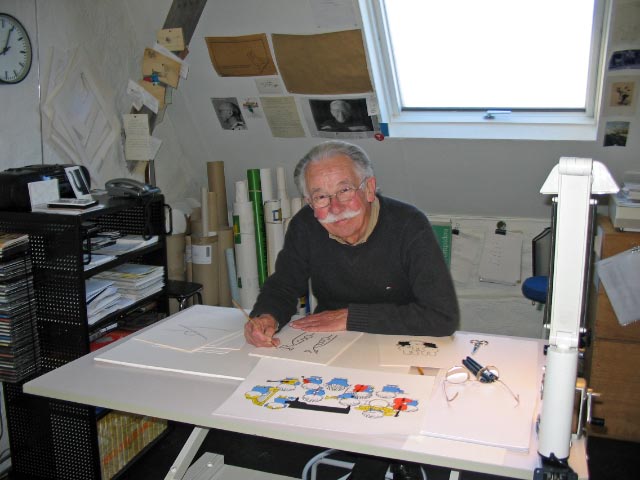
这位老爷爷真厉害!他可是政治經濟學系毕业的,结果成了日本动画巨人之一。

如果有天可以去日本玩,一定去看他的美术馆
三鷹之森吉卜力美術館,又稱吉卜力博物館,當中的「吉卜力」又譯「知步里」。它是一間位於日本東京都三鷹市的動畫美術館。正式名稱為「三鷹市立動畫美術館」(三鷹市立アニメーション美術館)。館主是身兼作家、漫畫家、動畫導演的宮崎駿


宮崎駿(1941年1月5日-),日本動畫導演。
目前居住於埼玉縣所澤市。有別名(筆名)秋津 三朗(假名:あきつ さぶろう)、照樹 務(假名:てれこむ)。畢業自杉並區立永福小學校、杉並區立大宮中學校、東京都立豊多摩高等學校、學習院大學政治經濟學部。

履歷

1941年1月5日生於東京都。
1958年因為東映動畫《白蛇傳》而開始對動畫產生興趣;1963年學習院大學政治經濟學系畢業後;1965年10月與同事太田朱美結婚,育有兩子。長子宮崎吾朗,1967年1月出生,是吉卜力工作室在2006年7月公映的最新作品《地海傳說》的導演;次子宮崎敬介,1969年4月出生,是木版畫家。
宮崎駿曾於1963年至1971年在東映動畫公司工作,1984年4月,他與妻子創立了個人事務所「二馬力」,多年好友兼夥伴的高畑勳也有個人的「畑」事務所;1985年中旬創立吉卜力工作室,擁有獨立一組固定的高素質製作團隊,製作了大量畫功細膩、劇情寓意深遠,配上音樂雄壯的作品。他的動畫電影多涉及人類與自然,以及反戰和飛行的主題。跟他合作至今的有德間康快(歿)、高畑勳、鈴木敏夫、久石讓、近藤喜文(歿)、保田道世、賀川愛、高阪希太郎等人。
2001年10月1日,代表著他思想藝術的夢想國──三鷹之森吉卜力美術館正式開幕;2003年4月10日美國《時代》雜誌發表「亞洲英雄二十人」,他是其中之一(他是榜上有名的兩位日本人其中一人,另一為著名棒球好手松井秀喜);曾於1999年表示將減少在動畫製作上的心力(盛傳退休),但《神隱少女》打破此退休一說,由於不像以往投入全部心力,劇本漸漸的以改編居多,最近的作品是《霍爾的移動城堡》。宮崎駿的動畫新作「崖の上のポニョ」,目前預定2008年夏季於日本上映。
宮崎駿在日本動畫界佔有超重量級的地位,在「傻呼嚕同盟」所著的評論書《日本動畫五天王》中,將他與富野由悠季、庵野秀明、押井守、大友克洋並稱為日本動畫五大天王。

動畫作品

導演

長編
魯邦三世卡裡奧斯特羅之城 (1979)
原作者是加藤一彥(Monkey Punch)
大藤信郎獎
風之谷 (1984)
大藤信郎獎
日本漫畫家協會獎大獎
天空之城 (1986)
大藤信郎獎
龍貓 (1988)
毎日電影競演會・日本電影大獎
大藤信郎獎
第39回藝術選奨・藝術作品獎・文部大臣獎
第12回山路文子電影獎
魔女宅急便 (1989)
改編自角野榮子同名小說
毎日電影競演會・動畫片電影獎
紅豬 (1992)
毎日電影競演會・動畫片電影獎
Annecy國際動畫片盛會・長篇部門獎
魔法公主 (1997)
毎日電影競演會日本電影大獎・大藤信郎獎
動畫片神戸・部門獎・導演部門
日本奧斯卡金像・最佳作品獎
文化庁媒體藝術祭・動畫片部門大獎
神隱少女(2001)
毎日電影競演會・日本電影大獎・導演獎・動畫片電影獎
文化庁媒體藝術祭・動畫片部門大獎
柏林國際電影祭・金熊獎
紐約電影批評家協會・最佳動畫片獎
波士頓電影批評家協會・特別獎
第30回Annie Awards・長篇動畫片電影獎・導演獎・腳本獎・音楽獎
第75回奧斯卡金像・長篇動畫片電影獎
此劇亦為宮崎本人帶來另一個事業輝煌的成就,宮崎駿憑這部電影獲得2002年初第57屆柏林影展金熊獎等十多個日本國內外獎項;除了打破日本票房和入座率電影外,還是首部風行全世界的吉卜力動畫電影,相關產品、精品亦為吉卜力帶來十分豐厚利潤;或因此關係,2004年末公映的《霍爾的移動城堡》達1422萬6千人次的入座率。《神隱少女》在美國、法國極受歡迎,迪士尼以鉅資買下宮崎駿部分影片在美國、香港、台灣和中國的DVD發行權。
霍爾的移動城堡 (2004)
改編自英國小說作家Diana Wynne Jones同名小說
第61回威尼斯電影節・金Osella獎
第9回好萊塢電影祭・最好動畫片獎
紐約電影批評家協會・最佳動畫片獎
懸崖上的Ponyo (2008)

短編
1995年 On Your Mark~吉卜力工作室実験劇場
2001年 膠卷咕嚕咕嚕轉
2001年 捕鯨
大藤信郎獎
改編自中川李枝子的童話
2002年 可露的大散步
2002年 小梅與小貓巴士
2002年 空想的飛行機械們
2006年 水蜘蛛夢夢(暫譯)(原名:水グモもんもん)
2006年 買下星星的日子
改編自井上直久的原作
2006年 尋找棲所

電視動畫片
魯邦三世 (1971; 電視動畫片第一部的部分集數;A專業導演群體的名義)
改編自加藤一彥同名漫畫
未來少年柯南(1978) 導演
魯邦三世 新(1980) (電視動畫片第二部;第145/155話;照樹務的名義)
改編自加藤一彥的漫畫
名偵探福爾摩斯(1984) 第3/4/5/9/10/11話
改編自柯南道爾的原作

參與製作

MTV
1995年 ON YOUR MARK

動畫片

1963年 汪汪忠臣藏
1963年 狼少年肯
1964年 格列佛的宇宙旅行
1964年 少年忍者
1965年 大衝撞
1966年 彩虹戰隊羅賓
1968年 太陽王子 霍爾斯的大冒險
1968年 魔女莎莉
1969年 穿長靴的貓
改編自Charles Perrault的散文<>
1969年 飛天幽靈船
改編自石之森章太郎的漫畫
1971年 動物寶島
改編自Robert Louis Stevenson的(金銀島)
1971年 阿裡巴巴和四十大盜
1971年 Sarutobi Ecchan。(未完成)
1971年 皮皮的長襪
1971年 魯邦三世
1972年 Yuki's Sun (未能公映)
1972年 Dokonjo Gaeru(遭拒)
1972年 熊貓家族
1973年 熊貓小熊貓 下雨雜技編
1973年 荒野少年
1973年 武士巨人
1974年 阿爾卑斯山的少女
高畑勳導演,宮崎駿場面設定・畫面構成
1976年 尋母三千里 (TV)
改編自亞米契斯的《愛的教育》中的〈從亞平寧山脈到安地斯山脈〉(Dagli Appennini alle Ande)
1977年 小浣熊 (TV)
1977年 草原之子藤克利 (部分畫面編排)(並無標記於工作人員清單內)
1979年 紅髮的安妮 (TV)
改編自《綠色屋頂之家的安妮》
1990年 兒時的點點滴滴
高畑勲監督・腳本,宮崎駿製作,岡本瑩 刀根夕子原著
這是一部由漫畫改編的動畫電影
1994年 平成狸合戰
高畑勲原作・監督・腳本,宮崎駿企劃
1995年 心之谷。
近藤喜文導演,宮崎駿製作・部分演出‧腳本・分鏡
改編自柊葵同名漫畫
2002年 貓的報恩 企畫
2006年 地海戰記 原案

漫畫作品
風之谷的娜烏西卡
飛行艇時代
修那之旅
漢斯的歸還
泥濘中的老虎

曾獲得獎項

1989年 電影旬報日本電影最好10 - 第一位
1990年 東京都民文化榮譽章
1998年 第26回Annie Awards・生涯功労獎、山路文子文化獎、澱川長治獎
2000年 第3回司馬遼太郎獎
2001年 第49回菊池寬賞
2002年 朝日獎、法國國家功労獎、巴黎市勲章。 Business Week- Star of Asia - 發明家部門
2003年 埼玉縣民榮譽獎
2004年 第16回薩格勒布國際動畫片盛會 - 功労獎、Sitges國際電影祭 - 特別審査員獎
2005年 第62回威尼斯電影節・金獅獎、國際交流基金獎

吉卜力工作室網站
http://www.ghibli.jp/

Director, screenplay, and storyboards

Yuki's Sun 1972 (Pilot film for a never-realized anime series)
Future Boy Conan, 1978 anime series
The Castle of Cagliostro, 1979 film
Sherlock Hound, 1982 anime series
Nausicaä of the Valley of the Wind, 1984 film
Laputa: Castle in the Sky, 1986 film
My Neighbor Totoro, 1988 film
Kiki's Delivery Service, 1989 film
Porco Rosso, 1992 film
On Your Mark, 1995 music video for Chage and Aska
Princess Mononoke, 1997 film
Spirited Away, 2001 film (winner, Academy Award for Best Animated Feature, 2002)
The Whale Hunt, 2001 (Short film exclusive to the Studio Ghibli Museum)
Koro's Big Day Out, 2001 (Short film exclusive to the Studio Ghibli Museum)
Mei and the Kittenbus, 2002 (Short film exclusive to the Studio Ghibli Museum)
Imaginary Flying Machines, 2002 (Short film exclusive to the Studio Ghibli Museum)
Ornithopter Story: Fly! Hiyodori Tengu Go!, 2002 (Short film exclusive to the Studio Ghibli Museum)
Howl's Moving Castle, 2004 (nominee, Academy Award for Best Animated Feature, 2005)
Monmon the Water Spider, 2006 (Short film exclusive to the Studio Ghibli Museum)
House-hunting, 2006 (Short film exclusive to the Studio Ghibli Museum)
The Day I Harvested A Star, 2006 (Short film exclusive to the Studio Ghibli Museum)
Ponyo on the Cliff by the Sea, film due 2008
Film Guruguru, ? (Ongoing short film project exclusive to the Studio Ghibli Museum)[26]
Unnamed Hayao Miyazaki-directed Documentary (TBA)[27]

Scene design, layout
Heidi, Girl of the Alps, 1974 anime series
3000 Leagues in Search of Mother, 1976 anime series
Anne of Green Gables, Episodes 1-15, 1979 anime series

Concept, screenplay, storyboards, scene design, key animation
Panda! Go, Panda!, 1972 short film

Screenplay, storyboards, scene design, art design, key animation
Panda! Go, Panda! and the Rainy-Day Circus (パンダコパンダ 雨降りサーカスの巻 Panda Kopanda: Amefuri Sākasu no Maki?), 1973 short film

Screenwriter, storyboards, executive producer, sequence director
Whisper of the Heart, 1995 film

Story consultant, key animation, storyboards, scene design
Animal Treasure Island (どうぶつ宝島 Dōbutsu Takarajima?), 1971

Key animation, storyboards, scene design
Hols: Prince of the Sun, 1968 film

Organizer, key animation, storyboards
Ali Baba and the Forty Thieves (アリババと40匹の盗賊 Aribaba to Yonjūbiki no Tozuku?), 1971

Key animation, storyboards, design
Puss 'n Boots, 1969 film
Flying Phantom Ship, 1969 film

Wednesday, 2 July 2008

Annette Tison & Talus Taylor


这就是“巴巴爸爸、巴巴妈妈、巴巴祖、巴巴拉拉、巴巴丽博、巴巴波、巴巴蓓尔、巴巴布莱特、巴巴布拉伯!记住了吗?巴巴爸爸、巴巴妈妈、巴巴祖、巴巴拉拉、巴巴丽博、巴巴波、巴巴蓓儿、巴巴布莱特、巴巴布拉伯!”

一边看电视,一边跟着念,没念到舌头打结真不错

巴巴爸爸的形象是法国女漫画家Annette Tison和他的丈夫Talus Taylor根据棉花糖的形状而创作出来的。
“巴巴爸爸”在法语中的意思是“爸爸的胡须”,而松软的像胡须的棉花糖也叫做“巴巴爸爸”。因为法国的棉花糖都是粉红色的,所以巴巴爸爸也是粉红色的。巴巴一家可以变成任何东西。巴巴爸爸遇见了巴巴妈妈,然后又生了七个孩子,他们颜色各不相同,而且各有爱好。

《奇妙家庭變形豆》(Barbapapa)是漫畫及其主人公的名字。1970年由Annette Tison 和Talus Taylor用法语创作,之后有《Barbapapa》的30多种语言版本出版,其中文譯本曾在20世纪80年代於香港發行。于1975被拍摄成45集5分钟的动画片后,至今在超过40个国家播放过。1986年曾在中国播放,当时译名为《可里可里可里,巴巴变》此版为引进的德语版,并在最后为其制作了一期专题节目《再见,巴巴爸爸》。


Annette Tison & Talus Taylor

Annette Tison was born in Paris in 1942. She studied architecture.
Talus Taylor was born in San Francisco in 1933. He worked as a
biology/mathematics teacher.

The couple met at a Paris cafe and a writing relationship ensued,
from which Barbapapa was born. Soon after, they were married.

The couple reside in Paris where they remain happily married to this day.
Annette Tison explains that the origin of the made-up word "Barbabpapa" is from the french word for cotton-candy. This is an appropriate name for their amorphous character since one is reminded of the sweet confection while looking at him.


Tuesday, 1 July 2008

Peyo

在那山的那边,海的那边有一群蓝精灵
孩童时代,美好的梦境里,有蓝色的小矮人
蓝精灵是比利时的作品,但是由美国购买版权,制作的动画片
小时候,最讨厌格格巫和阿兹猫
大约,儿童期对猫无好感,归功于此动画

这群蓝色小朋友,其实都老大不小了
比miffy兔子年轻一点,但今年,也都50大寿
他们怎么就不老呀!

果然是童话仙境,精灵永不老!

对了,想起在f汽车公司的帅哥说,他们有日吃午饭,发现同事几个都是蓝色衬衫,笑话自己蓝领已经不足,他们开始叫自己Smurf!实在可爱!


漫画《蓝精灵》(法语:Schtroumpf,英语:Smurf,德语:Schlumpf)1958年由比利时漫画家沛優(Peyo)及其夫人共同创作。蓝精灵是一群可爱的生活在大森林中带着白色小帽子的蓝色小精灵。1959年比利时电视台开始播放蓝精灵动画片,1981年美国國家廣播公司制作并播放美国版的《蓝精灵》动画片后,受到全世界孩子的欢迎。台灣中華電視台播映時,譯為《藍色小精靈》。
2010年派拉蒙电影公司旗下的点唱机影业(Nickelodeon Movies)全电脑动画《蓝精灵》电影三部曲将上映。

SMURFS确实是一个臆造词,因为蓝精灵身高只有三个苹果那么高,身材矮小,又住在蘑菇房子里,所以制作方从 “small"(小)、“dwarf"(矮人)和“mushroom"(蘑菇)三个词中提取揉合,便形成了“SMURFS"这一单词


主要动画人物

Gargamel,大陸譯:格格巫,港譯:加達,台譯:賈不妙
Hogathe,台譯:歐加達(法文的人名H通常不發音,比較正確),又譯:哈加達
Papa Smurf,大陸譯:蓝爸爸,港譯:精靈爸爸,台譯:老爸
Baby Smurf,大陸譯:聪聪,港譯:精靈BB,台譯:小寶貝
Smurfette,大陸譯:蓝妹妹,港譯:美芝,台譯:小美人
Brainy,港譯:智多星,台譯:小聰明
Azrael,大陆译:阿兹猫;港譯:阿沙,台譯:大笨貓
Cook Smurf,台譯:小廚師
Farmer Smurf,台譯:小農夫(還有一個跟他長的很像,但是是不同人,叫小自然,年紀較小)
Greedy,港譯:為食鬼,台譯:小貪吃
Grouchy,港譯:囉嗦王,台譯:小討厭嘮
Handy,港譯:阿漢,台譯:小幫手(還有一個叫小工匠,兩個好像是同一個人)
Harmony,港譯:音樂家,台譯:小音樂家
Hefty,港譯:阿威,台譯:小壯丁
Jokey,台譯:小搗蛋
Lazy Smurf,台譯:小懶惰
Poet Smurf,台譯:小詩人
Smurf,台譯:小精靈
Vanity Smurf,台譯:風頭小子(還有一個叫小帥哥,兩個好像是同一個人)
Clumsy Smurf,台譯:小笨蛋
Painter Smurf,台譯:小畫家


Peyo,本名Pierre Culliford於1928年生於布魯塞爾

Pierre Culliford (June 25, 1928 – December 24, 1992), known as Peyo, was a Belgian comics artist, perhaps best known for the creation of The Smurfs comic strip.

Biography

Peyo was born in 1928 in Brussels as the son of an English father and a Belgian mother.[1] He took on the name "Peyo" early in his professional career, based on an English cousin's mispronunciation of Pierrot (a diminutive form of Pierre).
Peyo began work, fresh out of school, at the Compagnie Belge d'Animation (CBA), a small Belgian studio of animated movies, where he met a few of his future colleagues and co-celebrities, like André Franquin, Morris and Eddy Paape. When the studio folded after the war, the other artists went to work for Dupuis, but Peyo, a few years younger than the others, was not accepted.[1] He made his first comics for the newspaper La Dernière Heure (The Latest Hour), but also accepted many promotional drawing jobs for income. From 1949 to 1952, he drew Poussy, a stop comic about a cat, for Le Soir. For the same newspaper, he also created Johan.
In 1952, Franquin introduced Peyo to Le Journal de Spirou, a children's comics magazine published by Dupuis which first appeared in Belgium in 1938.[1] Peyo wrote and drew a number of characters and storylines, including Pierrot, and Benoît Brisefer (translated into English as Steven Strong). But his favourite was Johan et Pirlouit (translated into English as Johan and Peewit), which was a continuation of the series Johan he had created earlier. He also continued Poussy in Spirou.
Set in the Middle Ages in Europe, Johan is a brave young page to the king, and Peewit (pronounced Pee-Wee) is his faithful, if boastful and cheating, midget sidekick. Johan rides off to defend the meek on his trusty horse, while Peewit gallops sporadically behind on his goat, named Biquette. The pair are driven by duty to their king and the courage to defend the underpowered. Peewit only appeared in the third adventure in 1954, but would stay for all later adventures.
The first smurf appeared in Johan and Peewit on 23 October 1958 in the album La Flûte à Six Schtroumpfs (The Six Smurfed Flute). As the smurfs became increasingly popular, Peyo started a studio in the early 1960s, where a number of talented comic artists started to work. Peyo himself supervised the work and worked primarily on Johan and Peewit, leaving the smurfs to the studio. The most notable artists to come out of this studio are Walthéry, Wasterlain, Gos, Derib, Degieter, and Desorgher.
In 1959, the Smurfs got their own series, and in 1960, two more began: Steven Strong and Jacky and Célestin. Many authors of the Marcinelle school collaborated on the writing or as artist, including Will, Yvan Delporte, and Roger Leloup. Peyo became more of a businessman and supervisor, and was less involved in the actual creation of the comics. He let his son Thierry Culliford lead the studio, while his daughter Véronique was responsible for the merchandising.[1]
The merchandising of the Smurfs began in 1959, with the PVC figurines as the most important aspect until the late 1970s. Then, with the success of the Smurf records by Father Abraham, the Smurfs achieved more international success, with a new boom in toys and gadgets. Some of these reached the United States, where Hanna-Barbera created a Saturday morning animated series in 1981. Peyo was overwhelmed by the success and his health began to fail.
Peyo died of a heart attack in Brussels at age 64. The studio, however continued, and new stories in different series still appear under his name.

Bibliography

Only those comics Peyo collaborated on are listed here: the comics made in those series after his death can be found in the articles for each series. Artist and writers mentioned are only those officially credited: unnamed Studio collaborators are not named here.
Jacky and Célestin, 1960-1978: 10 stories in Le Soir, 4 albums by Dupuis: artwork by François Walthéry, Francis, Jo-El Azara and Mitteï, stories by Peyo, Gos, and Vicq
Johan and Peewit, 1952-1970: 13 albums by Dupuis
Natacha, 1992: 1 album by Dupuis, artwork by Walthéry, story by Peyo
Pierrot: 1991, 1 album by Cartoon Creation
Poussy, 1977-1978, 3 albums by Dupuis
The Smurfs (Les Schtroumpfs), 1959-1992, 17 albums by Dupuis: additional artwork by Alain Maury and Luc Parthoens, additional stories by Yvan Delporte, Gos, Thierry Culliford
Spirou et Fantasio, 1969, 1 album by Dupuis, artwork by André Franquin and Jidéhem, story by Peyo and Gos
Steven Strong (Benoît Brisefer), 1960-1978, 7 albums by Dupuis, additional artwork by Will, Walthéry, Marc Wasterlain and Albert Blesteau, additional stories by Yvan Delporte, Gos, and Blesteau

Awards

1984: Youth Prize (9-12 years) at the Angoulême International Comics Festival, France

中文版蓝精灵之歌
http://v.blog.sohu.com/u/vw/1316494

Saturday, 28 June 2008

Zdeněk Miler

小时候,喜欢的所有卡通片里,大约,就这一部不是日本/美国制造
这只鼹鼠,真是老少皆益,连我老豆也喜欢它

因为它,才知道世界上还有一个共产主义国家,有一好长的名字,捷克与斯洛伐克
因为它,才知道,动画是默剧,也可以叫人喜欢

2005年,去捷克玩,抱着和我一样大的一只玩具鼹鼠照相
喜欢了它这么多年,却并不知道它的作者是谁,直到今天
这老爷爷真不容易

而且今天才搞清楚,鼹鼠的故事,英文是 Mole 捷克名是Krtek/Krteček


兹德内克·米莱尔(Zdeněk Miler) 1921年出生于捷克斯洛伐克,毕业于布拉格工艺大学。多才多艺的他是画家、平面艺术家,也是动画片制作家。他制作的影片在世界各地广受好评,并获得多项大奖。
第一部作品是"Jak krtek ke kalhotkám přišel",直译《鼹鼠是怎样得到裤子的》,于1956年在布拉格首映
第一部作品原来的计划中有旁白,但创作者后来希望各国观众都能看懂,于是便去掉旁白,改用自己女儿做配音演员,为片中角色配音,并且只用强调语气的嗓音,不用真实的对白。
《鼹鼠做裤子(How the Mole Got His Trousers)》1957年首度在意大利威尼斯影展中获奖,并陆续在世界各地十多个国家获奖。


Zdeněk Miler (February 21, 1921) Czech animator and illustrator best known for his Mole (Krtek or Krteček in original) character and its adventures.

Miler was born in Kladno just west of Prague what was then Czechoslovakia. He became an animator partly because of the Nazi occupation of Czechoslovakia. He took part in the demonstrations held because of the death of Jan Opletal that lead to the closing of universities and colleges. He was fortunate enough not to be sent to a Concentration camp. Instead he wound up working as an animator.
Miler enjoyed painting as a child. His hobby developed when he joined the national graphic school in Prague in 1936. He later studied at the College of Arts and Crafts (uměleckoprůmyslová škola Praha). In 1942 he began work at the cartoon studio Baťa in Zlín. There he learned the important practical skills relating to film production specializing in animated films. After the second World War, he started work at the cartoon company Bratři v triku and worked first as draughtsman then author and director. He later became the head of the company.

Krtek the Mole

Miler made about 70 films. In approximately 50 of them, the protagonist was his most famous creation, the small mole (Krtek in Czech). The idea for its creation came when he was commissioned to make an educational film for children in 1956. He was not happy with the script he was given. Since he was strongly influenced by Walt Disney films, he looked for an animal as the main character. Later, he said that the idea to use the mole as his main character came to him when he stumbled over a mole hill during a walk. The first film was titled “How the mole got his trousers” (“Jak krtek ke kalhotkám přišel”), which won a silver lion in Venice. In the beginning, the mole spoke. But Miler wanted his mole to be understood everywhere in the world so he decided to use his daughters as voice actors, reducing the speech to short non-figurative exclamations in order to express the mole's feelings and world perception. His daughters were also his test audience, who got to see the films first. Thus Miler could see whether his message resonated with children.
Krtek was a huge success in Czechoslovakia, Eastern Europe and Germany from the beginning and today the mole can be seen in over 80 countries.

Works

Krtek
How The Mole Got His Trousers (Jak krtek ke kalhotkám přišel) at the Internet Movie Database 1957
Krtek a autíčko. 1963 (The mole and the car)
Krtek a raketa. 1965 (The mole and the rocket)
Krtek a tranzistor. 1968 (The mole and the radio)
Krtek a zelená hvězda. 1969 (The mole and the green star)
Krtek a žvýkačka. 1969 (The mole and the chewing gum)
Krtek v zoo. 1969 (The mole in the zoo)
Krtek zahradníkem. 1969 (The mole as gardners)
Krtek a ježek. 1970 (The mole and the hedgehog)
Krtek a lízátko. 1970 (The mole and the lollipop)
Krtek a televizor. 1970 (The mole and the television)
Krtek a paraplíčko. 1971 (The mole and the umbrella)
Krtek malířem. 1972 (The mole as painters)
Krtek a muzika. 1974 (The mole and the music)
Krtek a telefon. 1974 (The mole and the telephone)
Krtek a zápalky. 1974 (The mole and the matches)
Krtek chemikem. 1974 (The mole as chemist)
Krtek A more buldozer. 1975 (The mole and the bulldozer)
Krtek A koberec. 1975 (The mole and the carpet)
Krtek A vejce. 1975 (The mole and the egg)
Krtek fotografem. 1975 (The mole as a photographer)
Krtek hodinářem. 1975 (The mole as watchmaker)
Krtek v poušti. 1975 (The mole in the desert)
Krtek o vánocích. 1975 (The mole to Christmas)
Krtek a karneval. 1976 (The mole in the carnival)
Krtek ve městě. 1982 (The mole in the city)
Krtek ve snu. 1984 (The mole in the snow)
Krtek a medicína. 1987 (The mole and the medicine)
Krtek filmová hvězda. 1988 (The mole as a film star)
Krtek a orel. 1992 (The mole and the eagle)
Krtek a hodiny. 1994 (The mole and the clock)
Krtek a kachničky. 1995 (The mole and the small duck)
Krtek a kamarádi. 1995 (The mole and its friends)
Krtek a oslava. 1995 (The mole and the celebration)
Krtek a robot. 1995 (The mole and the robot)
Krtek a uhlí. 1995 (The mole and the coal)
Krtek a víkend. 1995 (The mole and the weekend)
Krtek a houby. 1997 (The mole and the mushrooms)
Krtek a maminka. 1997 (The mole and the mummy)
Krtek a metro. 1997 (The mole and the underground)
Krtek a myška. 1997 (The mole and the mouse)
Krtek a sněhulák. 1997 (The mole and the snowman)
Krtek a zajíček. 1997 (The mole and the small hare)
Krtek a pramen. 1999 (The mole and the source)
Krtek a šťoura. 1999 (The mole and the grumbler)
Krtek a flétna. 1999 (The mole and the flute)
Krtek a vlaštovka. 2000 (The mole and the swallow)
Krtek a rybka. 2000 (The mole and the small fish)
Krtek a žabka. 2002 (The Mole and the small frog)

Other films
The Millionaire Who Stole The Sun (O milionáři, který ukradl slunce) at the Internet Movie Database 1948 after Jiří Wolker
Měsíční pohádka. 1958 (A moon history)
Jak šte(n(átko dostalo chut( well med. 1960 (As the puppy got appetite on honey)
O štěňátku. 1960 (Over the small puppy)
Jak štěňátko chtělo malé pejsky. 1960 (As the puppy wanted small dogs)
Jak sluníčko vrátilo štěňátku vodu. 1960 (As the sun returned its water to the small puppy)
O nejbohatším vrabci ve světě. 1961 (Over the richest Raben of the world)
Rudá stopa. 1963 (The red trace)
O Čtverečkovi a Trojúhelníčkovi. 1963 (Over the small square and the small triangle)
Sametka. 1967 (The Samtkropfband)
Romance helgolandská. 1977 (A Helgoländi romance)
Cvrček a stroj. 1977 (The cricket and the machine)
Cvrček a pavouk. 1977 (The cricket and the spider)
Cvrček a housličky. 1978 (The cricket and the violin)
Cvrček a slepice. 1978 (The cricket and the chicken)
Cvrček a pila. 1978 (The cricket and the saw)
Cvrček a bombardón. 1978 (The cricket and the Bombardon)
Cvrček a basa. 1979 (The cricket and the retort bass)

Thursday, 26 June 2008

Dick Bruna

对不起,自己真的是跳跃性思维
英国儿童作家才写两,我又跳了
哎,典型三分钟热度

因为,昨晚看见自己柜子里的miffy卡通裤
所以,今天决定提一下这个荷兰男人先
(老爷爷长的慈眉善目,很卡通,尤其那个胡子,看着象苗条版的圣诞老人)

miffy已经50多岁了
是只老兔子,长相却青春依旧
半根皱纹都没有!驻颜有素!
无厘头的说,就是,miffy是只天山童姥兔!

2005年时,它50岁,我还屁颠屁颠的跟着乐

这只兔子,是给4到8岁小朋友看的
大约我智力就这水平,所以我也喜欢看
连书,Dick Bruna都专门印制小开本,说是,小朋友的书是专门的号!不应该和大人书一样大!
这老头,真cool!
(The Miffy books each contain sixteen pages of story. Each page has one illustration and four lines of verse, the last word of the second line rhymes with the last of the fourth. )

下次去荷兰,一定去Utrecht
好歹去瞻仰一下这只兔子的老巢

Dick Bruna爸爸是荷兰最大出版商
后来Dick Bruna的兄弟继承了公司,Dick Bruna自己热爱创作画画

不知道,为什么,同样简洁风格,我就是喜欢荷兰miffy,对那只日本猫hello kitty不是很感冒
不过,据说,miffy是受另一只猫启发创作的
Some claim that Miffy, or Nijntje, was inspired by Musti, created by graphic artist Ray Goossens in 1945
http://www.musti.be/
说实在,这只猫长得真有点hello kitty荷兰远亲的意味!

对了,1955年到1963年,miffy属于没长开的小朋友
那时的它looked like a toy animal, with floppy ears
1963年,miffy才看着和现在差不多

呵呵呵。。。


Miffy 是一个由迪克·布鲁内(Dick Bruna)创作的女性小白兔形象的卡通人物。她原来的荷兰名字叫做Nijntje (发音:IPA:['nɛintʃɛ]),来源于小孩子讀 “konijntje” (小兔子)這個字時的发音。
她的形象于1955年诞生,那是在某个假日迪克向他一岁的儿子讲述关于他们之前在沙丘上看到的小白兔的故事后。
第一本Miffy的书叫做《Miffy在海边》。
Miffy被赋予清爽的风格,只有一些线条和一兩種原色。事实上,它令人聯想到Hergé的ligne claire繪畫風格。
每本Miffy的书都包括16页的故事,每一页都有一幅插图和四句话,
这些书以很小的开本出版。迪克要让小读者们知道这些书是给他们的,而不是给他们家长的,他认为这很重要。
Miffy自2003年开始出现在电视上。.
很多人认为Miffy是日本人,因为她的线条风格和Hello Kitty及其的伙伴很像。然而,Miffy其實是荷蘭的作品。
1953年,Dick Bruna 推出第一本圖書《The Apple》;2001年,推出了第一百本圖書《Miffy the Ghost》。

1955 Miffy, Miffy at the Zoo (First Version of Miffy)
1963 Miffy, Miffy at the Zoo, Miffy in the Snow, Miffy at the Seaside
1970 Miffy Goes Flying, Miffy's Birthday
1975 Miffy at the Playground, Miffy in Hospital
1979 Miffy's Dream
1982 Miffy's Bicycle
1984 Miffy at School
1988 Miffy Goes to Stay, Grandpa and Grandma Bunny
1991 Miffy is Crying, Miffy's House
1992 Auntie Alice's Party
1995 Miffy in the Tent
1996 Dear Grandma Bunny
1997 Miffy at the Gallery
1999 Miffy and Melanie
2000 Miffy at the Movies
2001 Miffy the Ghost, Miffy the Fairy
2002 Miffy Dances
2003 Miffy's Letter, The New Baby
2004 Miffy's Garden
2005 Miffy in Lolly Land, A Flute for Miffy
2006 Flopear
2007 Queen Miffy

http://www.miffy.com/


Dick Bruna (b. August 23, 1927, Utrecht, the Netherlands) is an author, artist, illustrator and graphic designer.
Bruna is best known for his children's books which he authored and illustrated, now numbering over 200. His best known creation is Miffy, a small rabbit drawn with heavy graphic lines, simple shapes and primary colors. Other recurring characters include Boris the little boy bear and Barbara his girlfriend, Poppy the kind pig lady and Snuffy the dog[1]. Additionally, Bruna has also created stories for characters such as Lottie, Farmer John, and Hettie Hedgehog.
Aside from his prolific catalog of children's books, Bruna also illustrated and designed book covers, posters and promotional materials for his father's publishing company A.W. Bruna and Zoon. His most popular designs graced the covers of the Zwarte Beertjes series of books.
Among his designs those for Simenon's Maigret are quite famous. They are typified by graphic silhouettes of a pipe on various backgrounds.

Dick Bruna's father eventually became the Netherlands' largest publisher. His company, A.W. Bruna & Zoon, had a bookstand at virtually every one of the country's abundant railway stations.
His father's intentions were for Bruna to follow in his footsteps, but Bruna had different plans. Bruna's brother eventually took over the business, but Dick Bruna always remained a close collaborator.
In 1955, while on holiday with his wife Irene and their child, he saw a rabbit hopping around their house and later made attempts to draw it, thereby creating Miffy. "Miffy" is the Americanized version, whereas "Nijntje" (pronounced nein-che) is the original Dutch name of the rabbit, stemming from "konijntje" which is the diminutive form of "konijn" (rabbit).
Over the years Bruna has illustrated over 2,000 covers and over 100 posters for the family business, A.W. Bruna & Zoon. His most recognized illustrations were for the Zwarte Beertjes (English: little black bear) series, including The Saint, James Bond, Maigret, Simeon, and Shakespeare. He also translated books into Dutch (Maigret).

Bibliography (as children's author)

To date, Dick Bruna has published 120 children's book titles, the most recent being "Queen Miffy" in 2007.
1953 The Apple
1955 Toto In Volendam, Miffy, Miffy at the Zoo, The Small King
1957 Tijs, The Car
1959 The Apple, The Bird, Kitty Nell, Tilly and Tessa
1962 The Egg, The King, Circus, The Fish
1963 Christmas, Miffy, Miffy at the Zoo, Miffy in the Snow, Miffy at the Seaside, Little Bird Tweet
1964 The School, The Sailor
1966 Cinderella, Hop-o'-my-thumb, Red Riding Hood, Snow White
1967 B is for Bear
1968 A Story to Tell, I Can Count
1969 Snuffy, Snuffy and the Fire, I can Read, I Can Read More
1970 Miffy Goes Flying, Miffy's Birthday
1972 I Can Count More, My Vest is White, Animal Book, Animals From Our Land, Animals From Other Countries
1974 Another Story to Tell, I Am a Clown
1975 Flower Book, Miffy at the Playground, Miffy in the Hospital
1976 I Can Read Much More, I Can Read Difficult Words
1977 Basje Goes to Stay at the Children's Neurology Department, Poppy Pig, Poppy Pig's Garden
1979 Birthday Book for UNICEF, Miffy's Dream
1980 Poppy Pig Goes to Market, When I Grow up, I Can Do Sums, I Can Do More Sums, Children's Hemophilia Book
1982 Blue Boat, Round, Square, Triangular, Farmer John, Miffy's Bicycle
1984 The Rescue, The Orchestra, Miffy at School
1985 My Book of Sports, Whose Hat is That, Back to Front
1986 Spring, Summer, Autumn and Winter, Poppy Pig's Birthday, Snuffy's Puppies
1988 Miffy Goes to Stay, Grandpa and Grandma Bunny, Stop at the Kerb! [Sic], Iris- A Book Without Words (revised edition, 2000)
1989 Boris Bear, Boris and Barbara, Boris on the Mountain
1990 The Writer, Lottie, Miffy is Crying, Miffy's House
1992 Auntie Alice's Party
1994 Boris in the Snow, Boris, Barbara and Benny, Poppy Pig is Sick
1995 Hettie the Hedgehog, Moo Says the Cow, Miffy in the Tent
1996 What We're Going to Be, The Dolly's Hair is Red, Boris Bear's Boat, Dear Grandma Bunny
1997 Do You Know Why I Am Crying?, Miffy at the Gallery
1998 Poppy Pig Goes on Holiday, Poppy Pig's Shop, Caleb and Noah's Arc
1999 Miffy and Melanie, Ping and Bing, Boris and the Umbrella
2000 Mister Knee
2001 Miffy and the Ghost, Miffy and the Fairy
2002 Miffy Dances, Boris the Pilot, Barbara's Clothes Chest
2003 Boris the Champion, Miffy's Letter, The New Baby
2004 A Song for Poppy Pig, Miffy's Garden
2005 Snuffy is Lost, Boris and Ko, Miffy in Lolly Land, Boris Does the Shopping, A Flute for Miffy
2006 Peter Bird, Flopear
2007 Queen Miffy

Tuesday, 24 June 2008

Beatrix Potter

环看历史上的童话作家们,英国真是热门出产地

兔子 rabbit peter 熊 paddington bear 熊 Winnie-the-Pooh 建筑工人 bob builder 火车 Thomas ... 直到火爆的harry poter

ok, 让我们一个个数

今天介绍Beatrix Potter,兔子peter的创造者

Beatrix Potter和兔子


我是湖区lake district玩的时候,才猛然发现,那只兔子的老窝在那
以前只知道,那只兔子是只英国兔子

不过,这个童话的插画还真是美!

1893年9月,我们的碧雅翠丝在写给一个生病在床5岁男孩Noel Moore的信里,写了兔子的故事
1901年,它被重新润色
1902年,发表

碧雅翠丝实际生在伦敦
写兔子故事时,并非在湖区
她和她的出版商Norman Warne秘密订婚,被反对,他后来又因病去世,连婚礼也无
碧雅翠丝后来用稿费购置了湖区的房子Hill Top Farm, Sawrey, Cumbria
然后在那住下
直到最后1913年47岁嫁给当地一名律师 William Heelis
她正式住去了湖区

碧雅翠丝小姐很是厉害
她研究真菌学Mycology,还相当有造诣
但,因为那个时代女子是不可以做学术
她的论文居然被The Royal Society of London for the Improvement of Natural Knowledge拒绝发表
(皇家學會(Royal Society),全稱“倫敦皇家自然知識促進學會”)

她还在伦敦经济学院教书!厉害呀!London School of Economics

更厉害的是,这位小姐用密码写日记
直到去世后,10年,才有人解码!

噻!

女人是天才时,实在可畏!


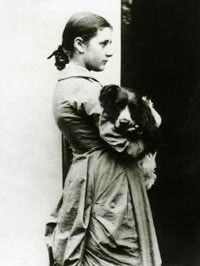
小女孩时

甜蜜妇人

老太太时


碧雅翠丝·波特(Helen Beatrix Potter,1866年7月28日-1943年12月22日),英国童书作家与插画家。彼得兔是她的创作中最知名的角色。

生平

碧雅翠丝·波特于1866年出生于伦敦肯辛顿。她自幼在家接受家庭教师的教育,没有上学,也因此少有机会与同年龄的其他小孩一起玩耍。波特的弟弟 Bertram也因为被送到寄宿学校唸书,很少在家与她为伴。波特有许多宠物,包括青蛙、蝾螈,和一只蝙蝠。她先后养过两只兔子,第一只叫班杰明(Benjamin),她形容牠是个「鲁莽、大胆的小东西。」她的第二只宠物兔名叫彼得(Peter),她不管去哪里都带着牠,甚至用宠物绳带着牠上火车。波特会花很长的时间观察这些动物,并为牠们素描。她的素描技巧日益增进,让她在早年就开始发挥她的天份。
波特的父亲鲁伯·威廉·波特(Rupert William Potter, 1832-1914)虽然受过专业辩护律师的训练,却鲜少执业,多半耗在绅士俱乐部度日。她的母亲海伦波特(Helen Potter née Leech , 1839-1932)是个棉花商人的女儿,多数的时候都在接待客人或外出拜访友人。他们以他们继承自双亲的遗产来维持生活。
每年夏天,鲁伯·波特会租一栋乡间小屋,1871年到1881年间是租了位在苏格兰 Perthshire的Dalguise House,而后则租在英国的湖区。1882年他们结识了湖区当地的牧师,Canon Hardwicke Rawnsley,他当时正为工业与旅游业带给湖区的影响而深感忧心。他随后在1895年为了保护自然景观,成立了英国国家信讬基金(National Trust)。波特随即爱上了湖区崎岖的山峰与深邃的湖水,并且从Rawnsley身上理解到保存护育该地区的重要性,这观念跟随着她一辈子,并由她加以贯彻实践。

科学兴趣与蕈类研究

当波特成年,她的父母将他们的管家派给她,不鼓励她任何知识上的发展,而要求波特学习管理家务。从十五岁到三十岁后,她每天都写日志,用自己发明的密语记载每日生活,直到死后数十年才被人解码。 一位叔叔曾引荐她成为英国皇家植物园裘园的学生,但是因其女性身份而遭拒绝。波特后来为提出地衣是藻类与真菌组成的共生植物的先驱之一。由于在当时纪录显微图像唯一的方法只有画图,她画了无数的地衣和真菌图。也因为她的深入观察,使她成为当时在英国广受尊崇的真菌学家。她同时也研究孢子发芽与真菌的生命循环。她描绘详尽的真菌水彩图,到1901年总计约有270幅,现收藏在湖区安波赛(Ambleside)的阿米特图书馆(Armitt Library)。 1987年,她的一篇关于孢子发芽的研究论文由她叔叔亨利罗斯可爵士(Henry Enfield Roscoe)于林内学会(Linnean Society)发表,因为当时女人不准参加会议。(1997年该会发表了一篇给波特的官方正式道歉启事,为她当时所受的待遇致歉。)英国皇家协会也拒绝过至少一篇波特的论文。

作品列表
The Tale of Peter Rabbit (1902)
The Tale of Squirrel Nutkin (1903)
The Tailor of Gloucester (1903)
The Tale of Benjamin Bunny (1904)
The Tale of Two Bad Mice (1904)
The Tale of Mrs. Tiggy-Winkle (1905)
The Tale of the Pie and the Patty-Pan (1905)
The Tale of Mr. Jeremy Fisher (1906)
The Story of A Fierce Bad Rabbit (1906)
The Story of Miss Moppet (1906)
The Tale of Tom Kitten (1907)
The Tale of Jemima Puddle-Duck (1908)
The Tale of Samuel Whiskers or, The Roly-Poly Pudding (1908)
The Tale of the Flopsy Bunnies (1909)
The Tale of Ginger and Pickles (1909)
The Tale of Mrs. Tittlemouse (1910)
The Tale of Timmy Tiptoes (1911)
The Tale of Mr. Tod (1912)
The Tale of Pigling Bland (1913)
Appley Dapply's Nursery Rhymes (1917)
The Tale of Johnny Town-Mouse (1918)
Cecily Parsley's Nursery Rhymes (1922)
The Fairy Caravan (1929)
The Tale of Little Pig Robinson (1930)
Wag-By-Wall (decorations by J. J. Lankes) (1944)


她个人相关照片 http://socrates.berkeley.edu/~schmid/arber/BPotter_pics.html

兔子故事100年时的纪念文章
http://www.24hourmuseum.org.uk/trlout_gfx_en/TRA14360.html

兔子的主页
http://www.hop-skip-jump.com/index.php

The first page of the picture letter to the young Noel Moore. Courtesy of the Victoria & Albert Museum. © Frederick Warne & Co., 1971.

Monday, 23 June 2008

Walt Disney

如果用成功程度来充气这世界上所有的卡通人物,无疑,吹的最巨的,只可能是米老鼠
你问问小朋友,没有哪个不知道米老鼠的!
他的缔造者,就是Walter Elias Disney

这个世界上,最大的卡通托拉斯,就是迪斯尼
这个男人,确实迷人
从一穷二白,变成无可比拟的卡通王国总领
真的是,高屋建瓴!

可惜的是,他在自己的梦想工程迪斯尼乐园开业前去世
无疑,是个遗憾!
(Disney died of lung cancer on December 15, 1966, a few years prior to the opening of his Walt Disney World dream project in Lake Buena Vista, Florida.)

迪斯尼乐园,只去过法国和香港的
等着去美国和日本的
然后在等着去中国大陆的

他们说,法国憎恨美国产品的倾销
但,法国人主动引进了最大的美国产品,建在巴黎旁,实在很讽刺

在上海买了蓝色米老鼠帽子,戴着就和米老鼠长一样了
在香港买了白色米老鼠手套,超级喜欢大号手,每次穿,就不愿脱
大约,真的天生就是个卡通狂

(在这里,还是给他cartoonist的标签,虽然他的成功的title有一长串,因为,最初,他是一个心存梦想拥有童真的人)


華德·迪士尼(1901年12月5日—1966年12月15日),美國著名導演、製片人、編劇、配音演員和卡通設計者,並且和其兄洛伊·迪士尼 (Roy O. Disney)一同創辦了世界著名的華德迪士尼公司。
華德·迪士尼是一個成功的故事講述者,一個實踐能力很強的製片和一個很普通的藝人。他和他的職員一起創造了許許多多世界上最有名的最受歡迎的角色,包括那經常被提及的稱得上是華德好友的米老鼠。

童年生活
1901年12月5日出生於芝加哥,家中排行第四。 他的名字來源於他父親在聖保羅教堂的牧師好友Walter Parr。 Walter於1902年6月8日在自己的教會裡為華德·迪士尼施洗禮。
迪士尼四歲時搬到密蘇里州Marceline的一個農場里,那個農場有200公頃大,並且離他的大伯羅伯特·迪士尼家不遠。據他後來的回憶,那是他一生中最快樂的時期,他和小妹魯絲(Ruth),因為年紀尚小,不用幫忙農事,常到附近的池塘游泳,玩弄田野間的小動物,在樹林下閒蕩。同一時期他也養成了對繪畫的喜愛,鄰居一位退休的醫生Sherwood,付錢請他畫Sherwood的馬Rupert。在Marceline他也愛上了火車,經常用耳朵貼在鐵軌上聽駛來的火車聲,也藉由開火車的叔叔 Mike Martin,觀察如何開火車。
1909年父親因傷寒而病倒,不能繼續在農場工作,只好把農場賣掉,搬到堪薩斯城以送報維生。根據堪薩斯城公立學校管理單位的記錄,迪士尼是從1910年開始在Benton文法學校上課,在1911年6月8日結業,延遲一年就學的原因是為了陪同小妹魯絲一起上學。之後到芝加哥藝術學校 (Chicago Art Institute)註冊,但後來並未完成學業。在學期間,他並不是個好學生,因為早起送報的緣故,無法專心上課,課堂上常打瞌睡,作白日夢,亂寫亂畫。
15歲那年,暑期打工充當在火車上遊走的小販,賣汽水、糖果、報紙等給旅客,這時他對火車更是著迷,有一次看入神,竟然將販賣的商品遺忘在一旁,以致全部被人拿走。哥哥洛伊借錢給他賠償老闆,並勸他把工作辭了。
中學時期,他負責校刊中的漫畫,他的漫畫非常具有政治性及充滿愛國情操,主要針對當時發生的第一次世界大戰。哥哥洛伊加入了海軍,他很想跟隨哥哥加入部隊,因此16歲時輟學爲求入伍,但是當時他年齡不足,部隊並不接受他。

第一次世界大戰
1917年歐洲的第一次世界大戰震驚了全世界。同學告知迪士尼美國紅十字救護隊正在招募年滿17歲者,在得到母親的同意下,他將出生証明文件上的生日由1901年篡改為1900年,以便符合年齡的限制。
雖然盡了最大的努力,他始終未曾真正目睹戰鬥。在他受完訓練出發前往歐洲之前,德國已簽下停戰協訂結束戰爭。在最後的一段服役期間他在法國擔任救護車的駕駛,穿梭在一些重要官員間,閒來沒事將他的救護車畫得到處都是以消磨時日,在法國的這段日子,也養成抽煙的習慣。
1919年他終於受夠了法國"非常寂寞"的日子,提出退役申請,回到美國。這段經歷促使他想清楚日後要從事的工作志向。

動畫與創業
返國後,迪士尼將嚮往藝術工作的理想告訴父親,但卻未獲支持,於是搬離家裡自立生活。他搬到堪薩斯城裡開展一生的藝術工作事業,此時哥哥洛伊在銀行上班,透過哥哥朋友的引薦,迪士尼得到一份在Pesmen-Rubin藝術工作室的工作,工作內容是替報紙、雜誌、戲院製作廣告,此時他遇到一位害羞的漫畫家Ubbe Iwwerks,由於工作上彼此欣賞,遂成志同道合的朋友,決定一起開創事業。
1920年元月他們成立一家公司"Iwerks-Disney Commercial Artists"(原本欲取名為Disney-Iwerks,但他們怕與街上一家名稱相近的眼鏡行讓人搞混),然而公司的運作並不順利,只有少數客戶願意給他們機會,Iwerks匆促地離開公司,到另一家公司Kansas City Slide Company(後來改名為Kansas City Film Ad)謀職,當事業失敗迪士尼隨後也加入了這家公司。
在Kansas City Film Ad,他們為當地電影院製作早期的動畫廣告,迪士尼被動畫未來發展的潛力所吸引,他花許多時間在市立圖書館裡研讀有關解剖學及機構學的書籍,同時讀到一本Edweard Muybridge所寫有關動畫的書。他充分利用在公司的時間體驗動畫及電影技術,甚至於借走一部公司的攝影機回家作實驗。
經過了兩年的歷練,迪士尼自覺已具備足夠的經驗再次開啟個人的事業,在1922年,成立Laugh-O-Gram影片公司,從事製作以當代手法改編受歡迎兒童傳說故事的卡通短片(請參閱 Laugh-O-Gram Studios),當時員工包括Iwerks, Hugh Harman, Rudolph Ising, Carmen Maxwell, 和 Friz Freleng。所製作的短片,在堪薩斯城當地彼受好評,但其花費的成本卻大於收入。
在製作最後一部短片,人物加上動畫演出的"愛麗絲的幻想世界" Alice's Wonderland時,Laugh-O-Gram公司在1923年七月宣告破產,此時迪士尼決定前往成功發展中的娛樂工業中心加州好萊塢求發展,賣掉了他的攝影機,換來一張往加州的單程火車票。他留下了朋友和曾經一起打拚的伙伴們,但帶著未完成的"愛麗絲的幻想世界"影片膠捲。
當他抵達洛杉磯時,身上只剩下40美元和一隻裝著未完成卡通片的行李箱。有趣的是,他原想從動畫上發跡,卻又怕無法跟紐約的對手競爭,所以他的第一志願選的是導演,他拜訪城裡的每一家電影工作室,尋求導演的工作機會,但都遭到當面回絕。
迪士尼發覺影片界發展不會順利後,便回到動畫領域。他在好萊塢第一個卡通工作室就位於伯父羅伯特家的車庫,他寄了一份未完成的作品給紐約的影片發行商Margaret Winkler,很快就得到對方的回應,她希望取得更多"愛麗絲的幻想世界"一系列人物加動畫短片的發行權。
迪士尼尋求哥哥洛伊的協助,此時羅依正因肺結核在洛杉磯的一家退伍軍人醫院療養。迪士尼非常誠心地請求哥哥能到這家草創的工作室幫忙,表示如果欠缺他的協助,財務上將無法維持收支的正常,哥哥答應了他,並和他一起離開醫院。洛伊日後並未再回到這家醫院,而肺結核也未曾復發。在迪士尼的邀請下一些昔日的工作伙伴和家人陸續由堪薩斯城移居到好萊塢,有"愛麗絲的幻想世界"的人物主角Virginia Davis,和先前創業夥伴Iwerks,形成初期的"迪士尼兄弟工作室"。
1925年迪士尼僱用一位年輕女著色師Lillian Bounds,他們一見鍾情,幾個月後她便兼任秘書工作,並開始約會。他們的第一次約會是去看百老匯音樂劇"No, No, Nanette",他也時常載他到洛杉磯附近山丘逗風,乘著一次出遊的機會,他問她該送一部新車給她好呢?還是一枚戒指?他們就在當年的7月15日完婚。後來她開玩笑的說著「他很失望她為什麼沒有選車子」。他們渡蜜月的地點是在西雅圖附近的 Rainier山。

Academy Awards
Walt Disney holds the records for number of Academy Award nominations (with fifty-nine) and number of awarded Oscars (twenty-six, below). Four of his Oscars were special awards, and one, his last, was granted posthumously.
1932: Best Short Subject, Cartoons for: Flowers and Trees (1932)
1932: Honorary Award for: creation of Mickey Mouse.
1934: Best Short Subject, Cartoons for: Three Little Pigs (1933)
1935: Best Short Subject, Cartoons for: The Tortoise and the Hare (1934)
1936: Best Short Subject, Cartoons for: Three Orphan Kittens (1935)
1937: Best Short Subject, Cartoons for: The Country Cousin (1936)
1938: Best Short Subject, Cartoons for: The Old Mill (1937)
1939: Best Short Subject, Cartoons for: Ferdinand the Bull (1938)
1938: Honorary Award for Snow White and the Seven Dwarfs (1938) The citation read: "For Snow White and the Seven Dwarfs, recognized as a significant screen innovation which has charmed millions and pioneered a great new entertainment field" (the award was one statuette and seven miniature statuettes)[2]
1940: Best Short Subject, Cartoons for: Ugly Duckling(1939)
1941: Honorary Award for: Fantasia (1941), shared with: William E. Garity and J.N.A. Hawkins. The citation for the certificate of merit read: "For their outstanding contribution to the advancement of the use of sound in motion pictures through the production of Fantasia"[2]
1942: Best Short Subject, Cartoons for: Lend a Paw (1941)
1943: Best Short Subject, Cartoons for: Der Fuehrer's Face (1942)
1949: Best Short Subject, Two-reel for: Seal Island (1948)
1949: Irving G. Thalberg Memorial Award
1951: Best Short Subject, Two-reel for: Beaver Valley (1950)
1952: Best Short Subject, Two-reel for: Nature's Half Acre (1951)
1953: Best Short Subject, Two-reel for: Water Birds (1952)
1954: Best Documentary, Features for: The Living Desert (1953)
1954: Best Documentary, Short Subjects for: The Alaskan Eskimo (1953)
1954: Best Short Subject, Cartoons for: Toot Whistle Plunk and Boom (1953)
1954: Best Short Subject, Two-reel for: Bear Country (1953)
1955: Best Documentary, Features for: The Vanishing Prairie (1954)
1956: Best Documentary, Short Subjects for: Men Against the Arctic
1959: Best Short Subject, Live Action Subjects for: Grand Canyon
1969: Best Short Subject, Cartoons for: Winnie the Pooh and the Blustery Day

List of Disney feature films
http://en.wikipedia.org/wiki/List_of_Disney_feature_films

Sunday, 22 June 2008

Love is


照例,千日谈里,应该只是一天一位人物
但今天,用了一个漫画的名字
因为,这牵扯的是一段爱情,一个家庭

相信这个漫画,不会有人陌生
两个可爱小人,述说什么是爱,浪漫得无可救药
漫画故事的后面,也浪漫得无可救药

love is 在1960年代末问世
起初,这只是 Kim Grove画给她未来先生Roberto Casali 的爱情小画片
love note, 你可以把它翻译为爱情便条或爱情备忘录

Kim Grove出生于新西兰,19岁离家旅游世界
25岁在美国加州生活,在洛杉矶的滑雪俱乐部遇见Roberto

Roberto把Kim的画全留下来,并给朋友看,后来给报业界的人看
在他的鼓励下,Kim开始专心卡通画

1970年1月5号,love is 开始通过报业辛迪加在报刊上发表
1972年2月9号,Love Is...being able to say you are sorry被发表是里程碑
从此,love is 开始非常流行

1971年他们结婚了,搬到英国
Roberto成了Kim 经济人
有了2个可爱的儿子 Stefano和Dario
Kim一直喜欢旅行,家后来还住过法国和摩洛哥

但,1975年,Roberto 罹患癌症去世
用冷冻精子,Kim在他去世后怀上了第3个孩子Milo

love is 就这样继续着,到了1997年6月,Kim在55岁也离世

他们的儿子Stefano Casali 辞去广告业的工作
专心继承了love is (Stefano Casali 本身也有自己的专栏漫画)
Dario 和 Milo是视屏游戏设计人,比如The Plutonia Experiment

所以说那两个可爱小人,背后是一段爱情和一个家庭

这大约是世界上最可爱的天体主义者了
两个小朋友都是不穿衣服的
在英国,nude不是被接受的,于是1980年开始,love is 在 Mail on Sunday开始连载时,两位小朋友统统穿上了衣服
英国人的对nudism的抵抗,不失为一种幽默!


The "Love is..." cartoon is making a come-back to the comics pages, to the delight of dedicated fans and new readers.

The Creation of the "Love is..." Cartoons

New Zealand-born Kim Grove left at age 19 to travel the world. In 1967, she was 25 and living in California. She met her future husband, Roberto Casali, at a Los Angeles ski club. At that time, Kim drew sketches of her funny episodes on the slopes. Roberto encouraged her to continue and she did, expressing her love for him in little cartoons. Kim and Roberto were married in 1971.

Roberto saved Kim's love notes, and showed them to his friends, as well as the Los Angeles Times, who picked up the panel for publication. "Love is..." became a syndicated cartoon on January 5, 1970. It was picked up by papers in 50 countries in 25 languages. It was printed on mugs, t-shirts, calendars and much more.

Kim did not feel she was an artist or a cartoonist. In the September 1981 Cartoonist Profiles magazine, Kim said, "If I'd had a choice, I would have become a writer of romantic songs. Songs about love affected me deeply . . . I didn't become a songwriter so I had to express myself in another once the real thing happened to me."

"Love is..." in the 1970s

Six months after their wedding, the Casalis moved to England. Kim gave birth to sons Stefano and Dario. Her cartoon continued to grow and Roberto became her business manager. Kim was sometimes put on the spot to defend her cartoon, as some people felt the comic depicted "women as childish, simple-minded dependents whose function is to serve man."

In 1975, Roberto was diagnosed with an incurable cancer. He opted for surgery and treatment in hopes of extending his life. That same year, Kim and Roberto hired prolific British cartoonist Bill Asprey to manage "Love is...," leaving Kim free to do the writing.

During Roberto's poor health, Roberto and Kim decided to try for another child, but without success. Instead, they stored samples of Roberto's semen for later use. Only months later, Roberto passed away. Kim was devastated . After months of unsuccessful attempts, Kim finally became pregnant with Roberto's child. Milo was born on July 10, 1977, when Kim was 31.

The Cartoon Continues After Kim's Death

The popularity of "Love is ..." dropped off in the late '80s and 90s. Sadly in 1997 at age 55, after a short illness, Kim Casali passed away at her home in Surrey, England. Her oldest son, Stefano, stepped in to guide the "Love is..." business.
Stefano had made a career in advertising, working for Saatchi and Saatchi, and Leo Burnett, creating ads for Samsung, Gillette and McDonald's. While still employed as an ad executive, he dove into "Minikim," his mother's company, after her death. He left his job in 1999 to take full control of "Minikim."
As a ghost-cartoonist, Bill Asprey has drawn "Love is..." for almost 30 years. He also has his own syndicated comic strip, "Aphrodite," and a second strip taken from Roald Dahl's "Big Friendly Giant" book, called "BFG". It ran for 12 years in The Mail on Sunday in England.

"Love is..." is now undergoing modernization. The Tribune Media Service continues to publish it in over 100 newspapers, only 1/3 of which are in the United States. It is read in 34 countries and in 15 different languages. Traditional and modern "Love is..." panels can be found on merchandise such as toiletries, clothing, gift items, wedding invitations, mobile telephone covers and in books world-wide.